- +918377942806
- nutri.in123@gmail.com

Hypothyroidism can affect several aspects of everyday life, including energy, appetite, digestion and changes in body weight. Because these changes can be frustrating, many people start experimenting with restrictive diets or remove several foods from their meals without knowing whether those changes are actually necessary. A better approach is to look at the overall quality and balance of the diet rather than searching for one food that can solve every thyroid-related concern.
The thyroid gland uses certain nutrients as part of normal hormone production and metabolism. However, this does not mean that eating large amounts of particular foods will automatically improve thyroid function. What matters more is maintaining a varied diet that provides adequate protein, fibre, vitamins, minerals and healthy fats.
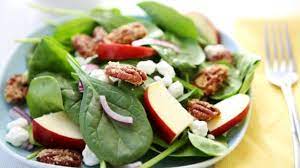
Meals built around vegetables, fruits, whole grains, pulses, dairy or suitable alternatives, nuts, seeds and appropriate protein sources can provide a broad range of nutrients. The exact combination can differ according to food preferences, activity levels, existing health concerns and daily routine.
Weight gain can sometimes accompany an underactive thyroid, which may lead people to drastically reduce calories in an attempt to lose weight quickly. Very restrictive eating can make meals difficult to sustain and may leave a person feeling hungry, tired or frustrated.
A Diet Plan for Hypothyroidism should therefore consider what a person can realistically continue over time. Portion awareness, balanced meals and sensible snack choices can be more useful than eliminating entire food groups without a clear reason. The goal is not to create a menu that feels difficult to follow. Instead, dietary changes should fit around normal working hours, family meals, cultural food habits and individual preferences.
Protein can contribute to fullness and helps support the maintenance of muscle tissue. Including suitable protein sources across meals can make a diet more satisfying, particularly when weight management is also a concern.
Fibre is another important part of everyday nutrition. Vegetables, fruits, pulses and whole grains can contribute fibre while also adding variety to meals. Increasing fibre gradually and maintaining adequate fluid intake can help support normal digestive function.
Rather than focusing on a single “thyroid-friendly” food, it is usually more practical to look at how the complete day's meals are balanced.
Iodine is important for thyroid hormone production, but more is not necessarily better. Excessive use of iodine supplements without medical advice may be inappropriate for some thyroid conditions.
Other nutrients, including selenium, zinc, iron and vitamin D, may also be relevant to overall nutritional status. However, supplementation should not be treated as a replacement for a balanced diet. Whether someone needs additional supplementation depends on their individual circumstances and, where appropriate, clinical assessment.
This is one reason personalised dietary planning can be more useful than following a generic thyroid diet found online.
Food and certain supplements can affect the absorption of thyroid medication. People taking thyroid hormone replacement are generally advised to follow their prescribed instructions carefully and maintain consistency in how and when they take it.
Calcium and iron supplements, for example, may need to be separated from thyroid medication depending on the medication and medical advice. The important point is that dietary planning should take existing treatment into account rather than treating food and medication as completely separate issues.
A dietary routine becomes easier to maintain when it considers the person's actual day. Someone who leaves home early may need a different breakfast arrangement from someone who works from home. Similarly, a person who regularly eats at the workplace may benefit from practical lunch and snack options rather than an elaborate meal schedule.
At Nutri Kalp Health & Weight Management Centre, dietary planning can take these everyday factors into account so that healthy eating does not become disconnected from normal life.
The plan may also need to change as eating habits, activity levels, nutritional needs or health circumstances change. Regular review can help prevent a person from continuing with an unsuitable routine simply because it was followed in the past.
Diet cannot generally replace medical treatment for hypothyroidism. Nutrition can support overall health and help manage related concerns such as weight, energy and dietary adequacy, while thyroid treatment should be followed according to medical advice.
These foods do not automatically need to be eliminated from a normal balanced diet. Concerns about specific foods depend on overall intake, preparation, medication timing and individual circumstances.
A balanced eating pattern can support healthy weight management, but results depend on several factors, including thyroid control, food intake, activity, sleep and individual health conditions.
Not necessarily. Supplements should be used when there is a genuine nutritional need and appropriate professional guidance, rather than simply because a product is marketed for thyroid health.
Nutri Kalp Health & Weight Management Centre provides personalised guidance through a Diet Plan for Hypothyroidism in Rohini, with dietary choices adapted to individual nutritional needs and everyday routines. A structured approach can make healthy eating more practical while supporting long-term dietary consistency.
Explore how a balanced diet for hypothyroidism can support nutrition, energy and healthy weight management with practical, personalised dietary planning in Rohini.
| Tags: | #Diet Plan for Hypothyroidism in Adarsh Nagar, # Diet Plan for Hypothyroidism in Ashok Vihar, # Diet Plan for Hypothyroidism in Pitampura, # Diet Plan for Hypothyroidism in Shalimar Bagh |

 WhatsApp Us
 Get Direction