- +918377942806
- nutri.in123@gmail.com

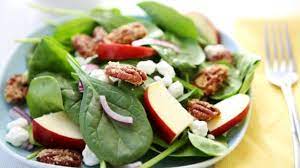
Walk through a supermarket, scroll through social media, or search for healthy meal ideas online, and there is no shortage of nutrition advice. One product may be promoted as low-fat, another as high-protein, while countless posts recommend eliminating certain ingredients completely. With so much information available, deciding what actually belongs on the plate can become surprisingly confusing.
Good nutrition does not depend on following every new food trend. A healthy dietary pattern is built around adequacy, balance, moderation and variety, with the right combination depending partly on individual needs and circumstances.
Packaging can strongly influence food choices. Words such as “natural,” “light,” “multigrain,” or “sugar-free” may sound reassuring, but they do not tell the complete nutritional story.
Looking beyond the front of a package can provide a clearer picture. The ingredient list, serving size and nutrition information can help reveal how a food fits into the overall diet. A product marketed around one positive feature may still contain considerable amounts of sugar, sodium or saturated fat.
This does not mean packaged foods have to disappear from the diet. The more useful skill is learning how to evaluate them rather than judging them entirely by their marketing.
Even nutritious foods contribute energy and nutrients in different amounts. Eating more is not automatically better simply because an ingredient is considered healthy.
Portion awareness can therefore be more useful than labelling foods as completely good or bad. The amount served, the combination of foods on the plate and how frequently something is eaten all contribute to the overall dietary pattern.
For instance, nuts and seeds can provide valuable nutrients, but they are also energy-dense. Similarly, whole grains can be an important source of carbohydrates and fibre, but the portion still matters according to a person's overall requirements. Understanding these differences can make everyday food decisions more balanced.
Another common nutrition mistake is becoming overly dependent on a small number of foods believed to have special health benefits.
No single ingredient provides everything the body needs. A varied diet can include vegetables, fruits, pulses, whole grains, nuts, seeds and suitable protein sources, creating opportunities to obtain different nutrients across meals. WHO also emphasises dietary diversity as one of the foundations of healthy eating. This is particularly relevant when people start removing multiple food groups based on advice encountered online. Unnecessary restrictions can make meals less enjoyable and may reduce dietary variety.
Nutrition myths often become popular because they offer simple answers to complicated questions. Claims about “detoxing,” miracle ingredients, completely forbidden foods or instant metabolic changes can sound convincing without providing meaningful context.
A better approach is to ask a few basic questions:
Is the claim supported by reliable evidence?
Does it apply to everyone or only certain situations?
What happens if the recommendation is followed for months?
Does removing the food create any nutritional gaps?
Is the advice actually necessary for the person's individual needs?
These questions encourage a more thoughtful relationship with food instead of constantly switching from one diet trend to another.
Nutrition cannot be separated from the way people actually live. Food availability, cultural habits, family traditions, budget and personal preferences can all influence dietary patterns. WHO notes that the exact composition of a healthy diet can vary according to individual characteristics, cultural context and locally available foods.
This matters in everyday Indian households, where meals may include roti, rice, dal, vegetables, curd, fruits and a wide range of regional preparations. Healthy eating does not require replacing familiar cuisine with an entirely unfamiliar menu. Instead, the emphasis can be on improving the overall balance and quality of meals while retaining foods that are practical and culturally familiar.
Sometimes the difficulty is not knowing that vegetables, protein or whole grains are useful. The challenge is understanding how much is appropriate, what combinations make sense and which changes are actually relevant to a particular situation.
A qualified nutrition professional can help assess existing eating patterns and identify areas that need attention. This can be particularly helpful when dietary choices are influenced by health concerns, changing nutritional requirements, weight-related goals or persistent confusion about conflicting food advice.
At Nutri Kalp Health & Weight Management Centre, nutrition guidance can focus on helping individuals understand their dietary choices rather than simply handing them a fixed list of foods.
The most useful nutrition knowledge is something a person can carry from one situation to another. It can help when choosing breakfast, reading a food label, ordering at a restaurant, planning a family meal or deciding what to keep as a regular snack.
The aim is not perfect eating at every meal. A healthy dietary pattern develops through repeated choices across days and weeks. When people understand the reasoning behind those choices, they may find it easier to make sensible adjustments without becoming dependent on every new diet trend.
Check the serving size, ingredients and key nutrients such as sugar, sodium, fats, fibre and protein. Looking at the whole label is more informative than relying on one claim on the package.
No. Processing covers a wide range of foods and methods. The nutritional value of a product depends on its ingredients and overall composition.
Not necessarily. Pulses, seasonal vegetables, fruits, whole grains and other locally available foods can contribute to a nutritious diet without relying on expensive speciality products.
Look at the source, evidence and context behind the claim. Advice that promises dramatic results from one food or one restriction deserves particular caution.
Nutri Kalp Health & Weight Management Centre offers guidance from the Best Nutritionist in Rohini, helping individuals make informed food choices based on their nutritional requirements and goals. The approach can help bring greater clarity to everyday eating without relying on confusing diet trends.
Learn how informed food choices, portion awareness and balanced nutrition can support healthier eating with guidance from the Best Nutritionist in Rohini.
| Tags: | #Best Nutritionist in Adarsh Nagar, # Best Nutritionist in Ashok Vihar, # Best Nutritionist in Pitampura, # Best Nutritionist in Shalimar Bagh |

 WhatsApp Us
 Get Direction